This post contains affiliate links. We may receive a commission if you make a purchase after clicking on one of these links. You will not incur any additional costs by clicking these links
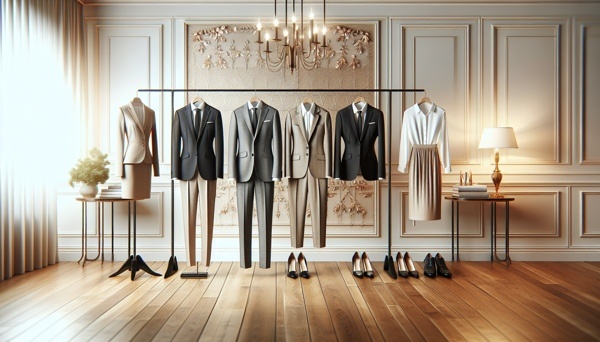
In the competitive realm of job hunting, making a strong first impression is paramount, and your choice of attire plays a crucial role in this. The concept of job interview dress is not just about donning a suit or a professional outfit; it's about showcasing your respect for the opportunity and aligning with the company's culture. The clothing you choose can significantly influence how potential employers perceive you before you even utter a word.
When entering a job interview, you are essentially marketing yourself as the best candidate. Your attire is the visual representation of that marketing strategy, effectively acting as your silent introduction. By investing time and thought into how you dress, you set the stage for a positive interaction and convey a level of professionalism and readiness essential for most contemporary work environments.
Adopting a carefully considered job interview dress not only helps you fit seamlessly into the corporate setting but also communicates your ability to make judicious decisions—an attribute valued by all employers. Whether you're aiming for a role in a creative industry or a corporate heavyweight, how you present yourself reflects your understanding of the standards expected in that role.
Taking these elements into account, it's clear that job interview dress not only influences the impression you make but also impacts your confidence levels. Feel assured in your appearance, and you'll likely carry that confidence into the interview space, affecting your overall performance positively. Opt for outfits that are polished, aligned with the company's ethos, and are a true reflection of your best professional self.
For additional tips on presenting yourself effectively in job interview situations, explore more resources and products that can aid you in making the best first impression possible.
When it comes to a successful job interview dress strategy, understanding the company culture is paramount. Dressing appropriately isn't solely about the clothes you choose but is also a reflection of how well you grasp the environment you're stepping into. You want to communicate that you're a great fit, not just in skill but also in style.
The cornerstone of dressing to fit in is thorough research. Start by visiting the company's website, where you can often glean insights from their about page, employee photos, and any published materials. Look for any cultural statements or value propositions that can give you an indication of their work atmosphere.
Another powerful tool is social media. Platforms like LinkedIn offer an inside look into the company's operations and team events. Browse through their posts and images, focusing on what employees wear during formal events or typical workdays. This will help you gauge if the company trends towards formal business attire or a more business-casual vibe.
If possible, connect with past or current employees. Use platforms like LinkedIn to reach out professionally. When a contact is comfortable sharing, ask direct questions about the company's dress code. Sometimes, having a brief conversation with someone in-the-know can provide valuable insights that you wouldn't find online.
Additionally, targeted networking events or career fairs where the company is present are fantastic opportunities to make observations about their team’s dressing norms. Taking note of the attire worn by company representatives can provide you with clues about what will make you look like a natural fit.
Once you've gathered ample information, plan your job interview dress accordingly. Aim for a balance that aligns with the company's culture while still allowing you to feel confident and authentic in what you're wearing. If the dress code is formal, consider a well-fitted suit or a blazer with tailored trousers or a skirt. For a more casual setting, smart casual attire with polished shoes might be appropriate.
By making an effort to understand the company's dress expectations, you’re not only showing respect but you're also projecting an image of cohesiveness with the team’s established norms. Research, combined with strategic wardrobe choices, can position you to make a memorable and culturally aligned impression.
Navigating the spectrum between classic and trendy attire can often seem daunting, but it’s crucial for crafting an effective job interview dress strategy. The key lies in striking a harmonious balance that respects the established norms of professional dress codes while allowing your personal style to shine through subtly.
Classic attire has long stood the test of time due to its universal appeal and unmistakable aura of professionalism. Think well-tailored suits, neutral-colored dresses, and smart blazers. These elements form the backbone of a reliable job interview dress ensemble. Prioritizing fit and quality over intricate design ensures that your attire conveys trust and competence.
While classics are essential, incorporating small trendy elements can elevate your look, making it memorable without compromising professionalism. This is the ideal way to express personal style. Consider modernizing your classic look with a contemporary accessory — perhaps a stylish watch or a subtle tie pattern. For women, a chic handbag or minimalist jewelry can add a touch of vogue to your job interview dress.
The art of blending personality with appropriateness centers around moderation. It's about making thoughtful choices that subtly reflect who you are and what you bring to the table. Before adding trendy items, evaluate their impact on the overall job interview attire. Perhaps adding a single pop of color, like a pastel shirt under a dark suit, might suit both the occasion and your personality.
To stand out while still fitting into the company culture, you must first understand the context of the job and the organization. A firm grasp of the company’s culture, possibly gathered from its social media presence or through networking, will inform which trendy tweaks are feasible. Your job interview attire should not only fit in but also impress, marrying tradition with a touch of personal flair.
Ultimately, balancing classic and trendy in your job interview dress reflects a nuanced understanding of professionalism and personal branding, ensuring you make a positive impression while staying true to yourself.
When it comes to job interview dress, attention to detail can make all the difference. It's not just about the clothes you wear but also about how you present yourself as a whole. From hair and makeup to accessories, every aspect of your appearance contributes to the overall impression you make.
First and foremost, your hair should be neat and professional. Depending on the position and industry, this may mean a sleek ponytail, a tidy updo, or simply ensuring that your hair is freshly cut and styled. Consistency with company culture is key; research can help determine whether conservative or contemporary styles are more appropriate.
For those who choose to wear makeup, the goal is to enhance your features, not to overpower them. Opt for a natural makeup look that emphasizes your confidence and professionalism. Neutral tones typically work best, especially in the eye and lip categories, ensuring your makeup complements your job interview attire without drawing undue attention.
When it comes to accessories, the age-old advice 'less is more' is particularly applicable in a job interview setting. Jewelry should be understated; think a classic watch, simple earrings, or a delicate necklace. These elements should add a touch of elegance without becoming a distraction.
Your choice of shoes can either complement or detract from your carefully chosen attire. Stick to closed-toe shoes in professional settings, ideally in muted or neutral tones. Heels should be moderate in height to balance style with comfort.
A bag or briefcase is both practical and an accessory. Opt for clean lines and structured shapes that reflect a professional tone. It should be large enough to carry the essentials—your resume, a notebook, and perhaps business cards—without being cumbersome.
By paying careful attention to these detailed elements of your job interview dress, you present yourself as a well-rounded and conscientious candidate. Remember, it’s the combination of grooming and accessories that complete your look, leaving a memorable impression on your interviewer.
In the journey to mastering your job interview dress, we've explored several facets that contribute to presenting yourself professionally and aligning with company expectations. First, it is imperative to understand that first impressions matter; your attire acts as a visual introduction that can heavily influence perceptions within the first few minutes of meeting.
By understanding the company culture, you ensure that your attire is not only stylish but also appropriate, showcasing your respect and understanding of the workplace environment. Delving into company insights through their website and social media, as well as networking, will guide your wardrobe choices to emerge as someone who seamlessly fits in.
Striking the right balance between classic and trendy involves integrating personal style while maintaining professionalism. This approach allows you to stand out as a unique candidate without straying from conventional business norms.
Furthermore, paying attention to grooming and accessories completes your polished look. A well-groomed appearance, complemented with appropriate accessories, enhances your confidence and reflects meticulous preparation — qualities highly sought after by employers.
To culminate, dressing for an interview is more than just apparel; it's about presenting the "best version" of your professional self. By adhering to these job interview dress tips, you not only meet but exceed expectations, setting a solid foundation for a successful interaction. Investing in your appearance is investing in your career, paving the way to leave a lasting positive impression.